
Preservation.
Championing rural life.
Pastoral and small-scale horticultural enterprises define the Megalong Valley’s rural character—families who have grazed cattle for generations continue alongside newer producers such as LOT 101 Farm and the neighbouring Megalong Valley Tea Rooms, where seasonal vegetables are grown on site.
Cattle-raising remains a bedrock of the valley’s landscape and heritage, with properties going back to the 1830s. These activities not only sustain livelihoods but also anchor the open paddocks, orchards, vineyards, winding narrow roads and bush-fringed fields that give Megalong its distinctive feel.
At a time when rural places are under pressure from development and tourism, the valley’s farming community offers a lived example of how land use, local supply chains and rural rhythms can help preserve a sense of place rather than erase it.
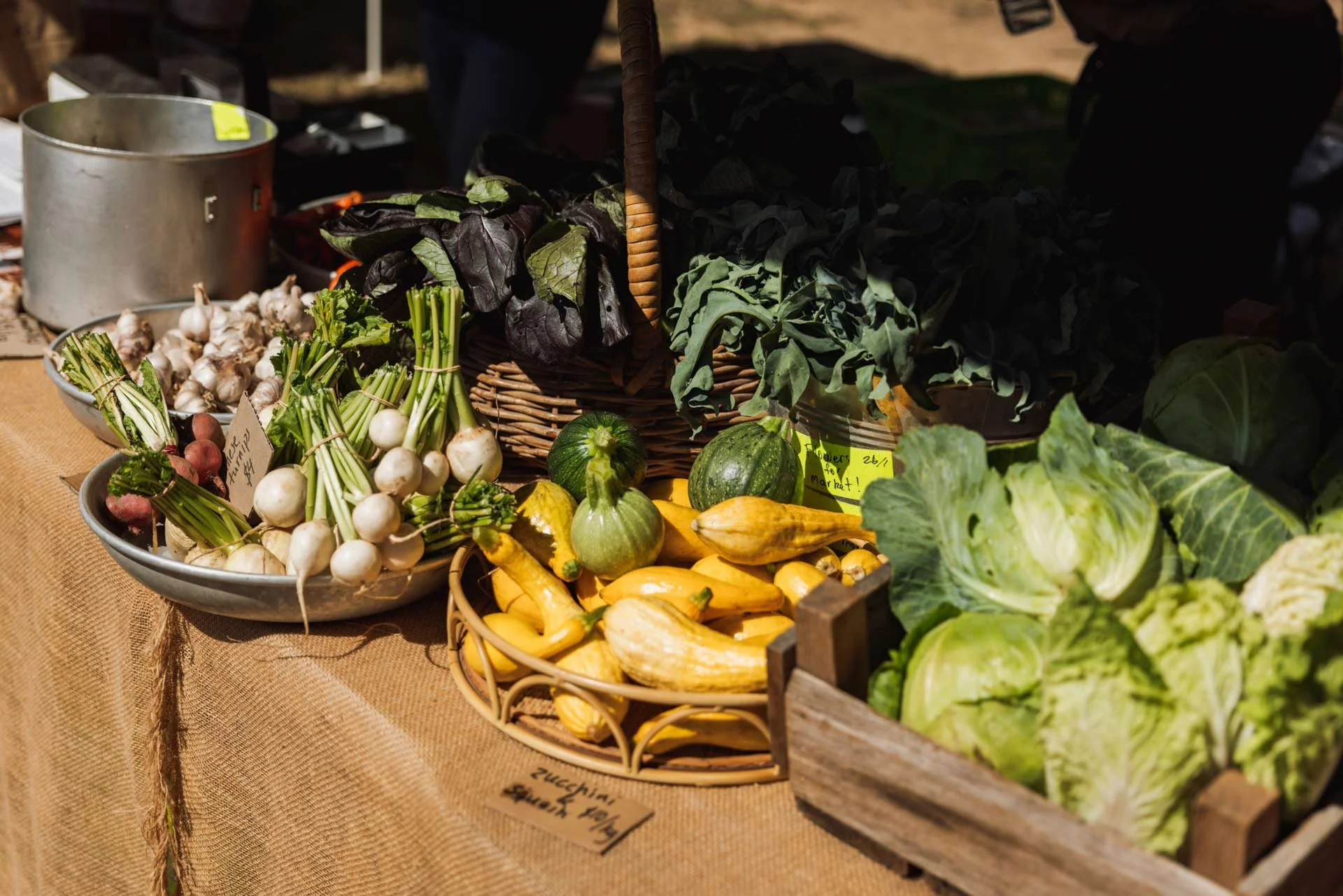
image by Bee Elton
Caring for wildlife.
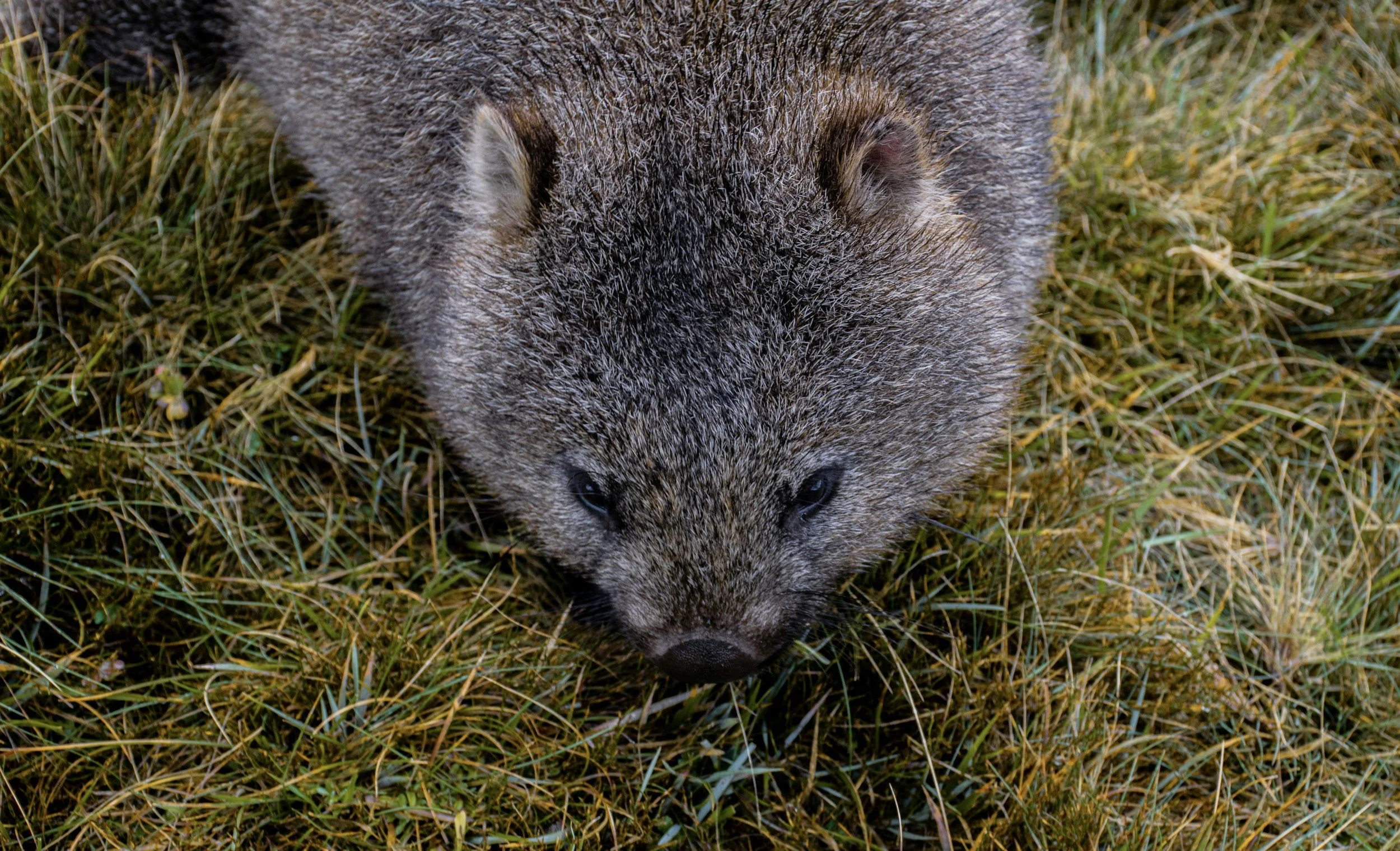
Caring for wildlife is an everyday part of life in the Megalong Valley, where we share the land with kangaroos, wallabies, wombats, and a rich variety of birdlife that thrives among the valley’s forests and native bushland.
Many landholders take part in habitat protection and revegetation efforts, maintaining wildlife corridors along creeks and fence lines to support native species. Local groups such as Kanimbla Wombats and residents work together to manage invasive weeds, protect waterways, and reduce hazards to animals from disease, fencing and vehicles.
This quiet stewardship reflects a shared understanding that the valley’s beauty and balance depend on the health of its ecosystems—and that preserving its rural character means caring not only for the land, but for all the life it sustains.
Cultivating history.
Cultivating history in the Megalong Valley is a practical, community-led effort that brings together a wide range of shared knowledge, from Indigenous land care to local residents’ traditions.
Indigenous cultural burning, supported by networks such as the Firesticks charity, is being shared and revived with the RFS and locals to care for Country and reduce bushfire risk.
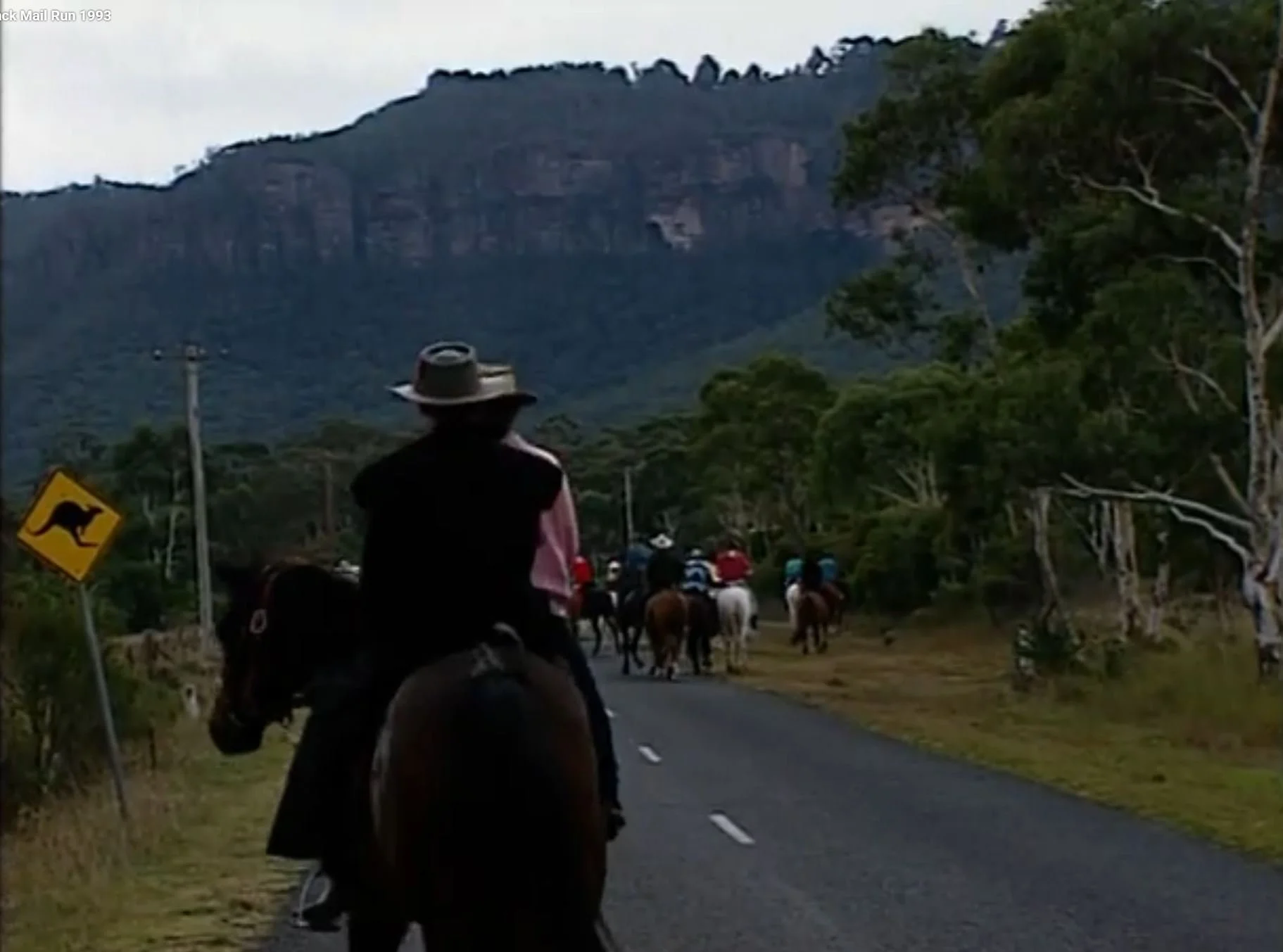
The 1993 Megalong Valley Historic Mail Run had riders tracing the old mail route up Megalong Road to Blackheath to collect and deliver mail before returning for a communal gathering at the school. The event was captured on film here.
Video Still from 1993 Historic Mail Run
Raising a new generation.
Megalong Public School has served the local rural community continuously since its establishment in 1892. Originally founded as a subsidised rural school for children from the Megalong and Kanimbla Valleys, it remains a vital hub for families whose lives are intertwined with the valley's farms and bushland.
Over the years, the school has embraced its bush-setting—situated on two acres among eucalypts, with native wildlife just beyond the windows—to not only provide small-group, personal education but also foster environmental stewardship: students have been recognised for conservation work, including protecting the critically endangered local bottlebrush species and engaging in Landcare activities.
The school continues to draw on its strong connection with the valley’s farming roots and natural environment, helping shape learners who value community, place and the ongoing story of this rural landscape..
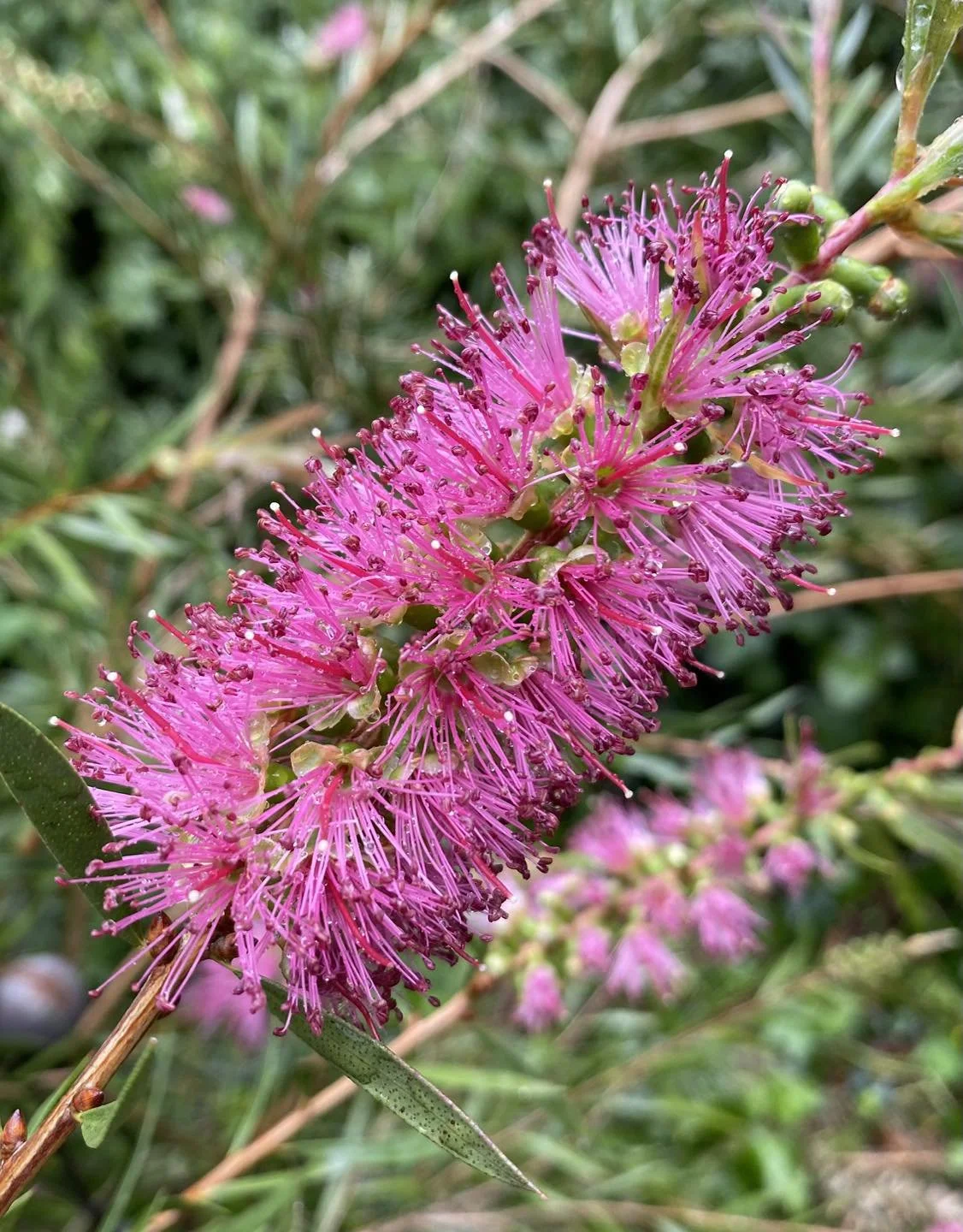
Image by Wild Blue Mountains